
Explosion-Proof Equipment & Industrial Automation Solutions for Demanding Industrial Environments
WIACS specializes in supplying explosion-proof electrical equipment, ATEX and IECEx certified products, hazardous area solutions, and industrial automation systems for a wide range of industrial sectors and applications.Our product portfolio includes explosion-proof lighting, junction boxes and enclosures, cable glands, plugs and sockets, control stations, electrical distribution equipment, and other specialized equipment designed for hazardous locations.
In addition to hazardous-area solutions, WIACS provides industrial automation and control systems, including Siemens PLC, SCADA, HMI, DCS, VFDs, instrumentation and industrial control solutions. We serve diverse industrial sectors, supporting applications that require reliable electrical equipment, process control and automation technologies.
Through our international manufacturing partnerships and technical expertise, WIACS supports industrial projects with a broad range of products and technologies addressing the requirements of modern industrial facilities across Egypt and the Middle East.
Industries We Serve
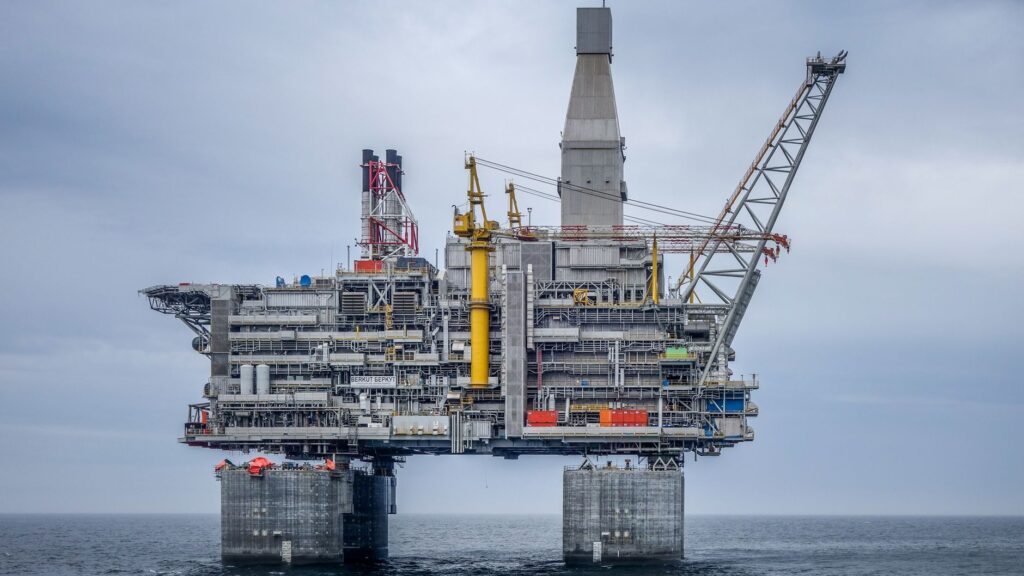
Oil & Gas
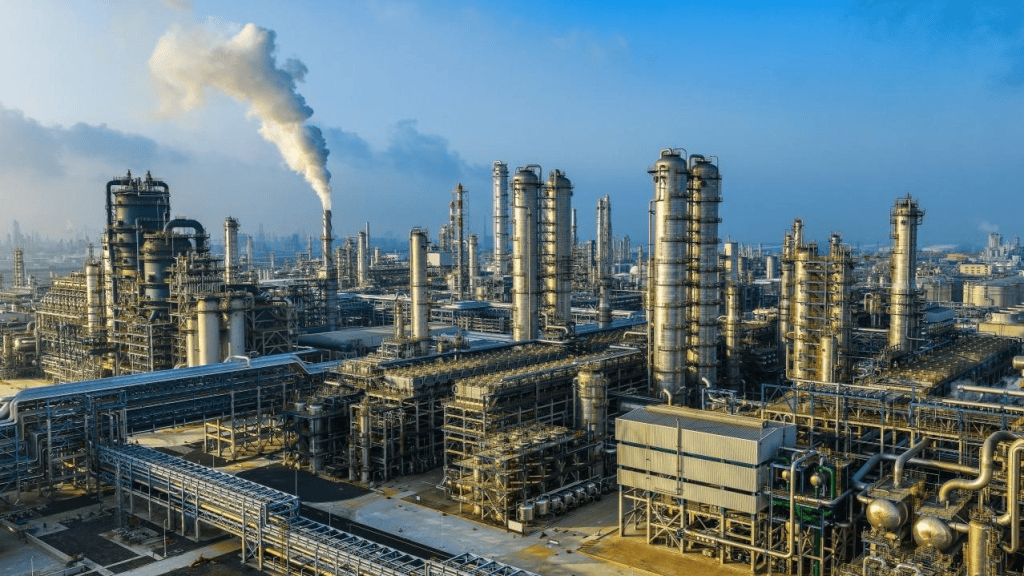
Petrochemical
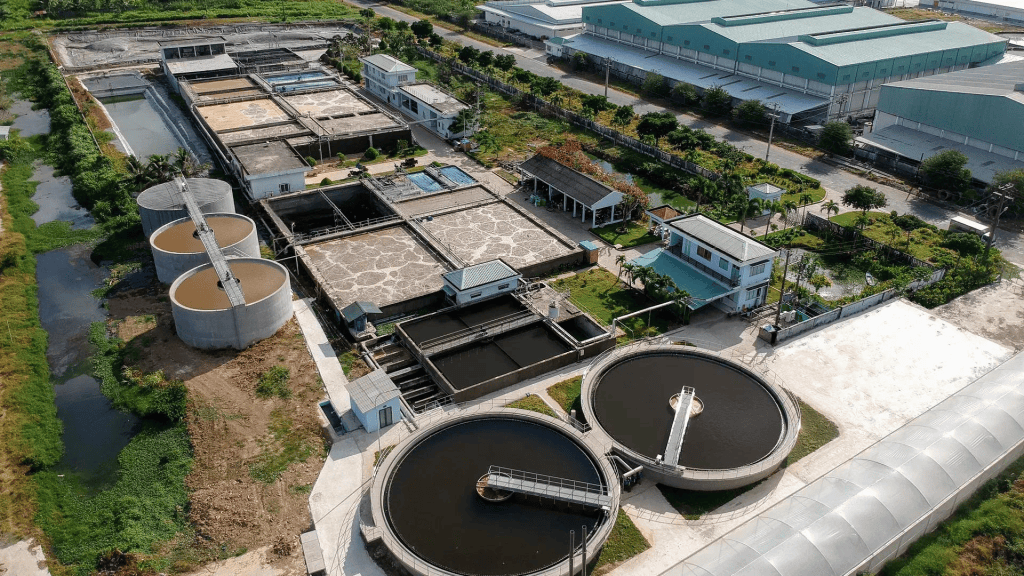
Water & Wastewater
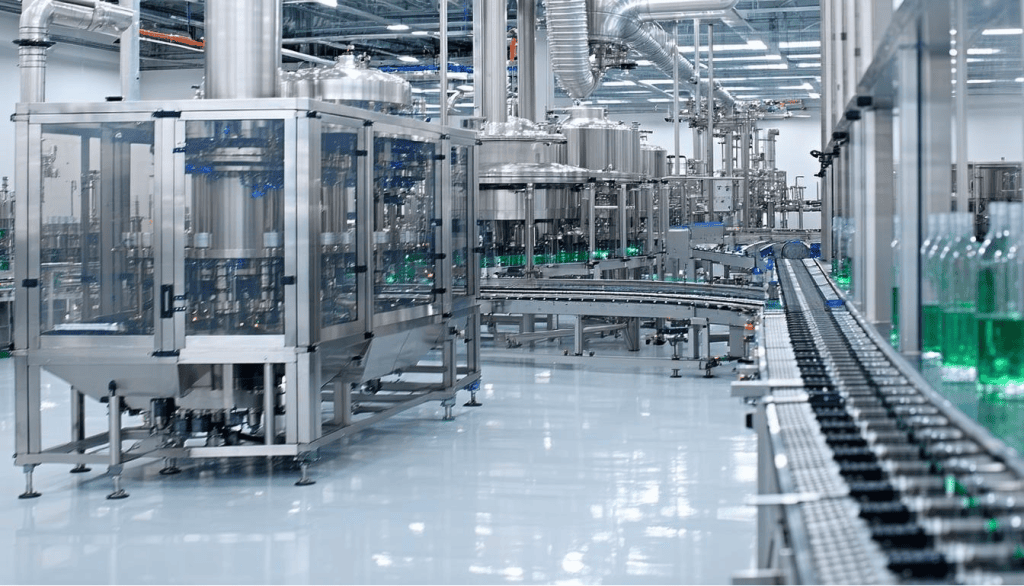
Pharmaceutical
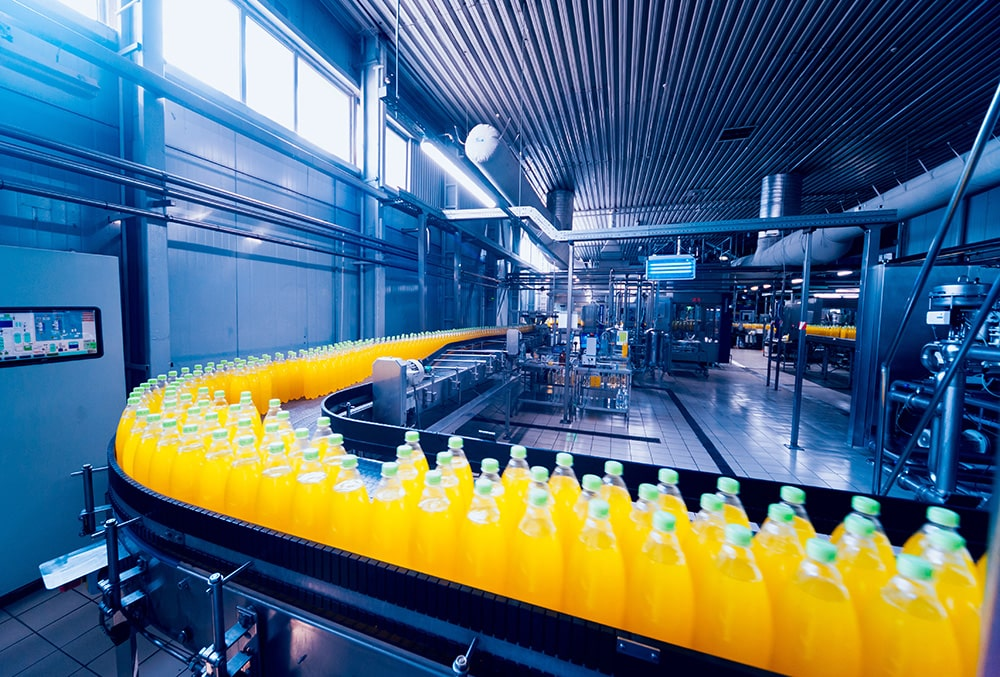
Food & Beverage Processing
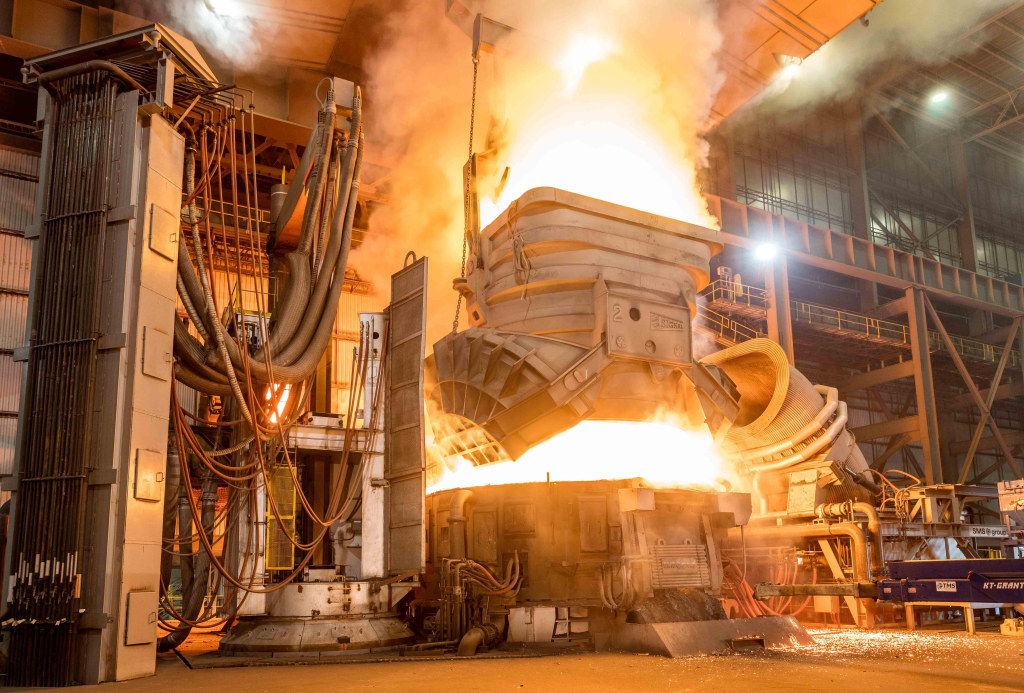
Mining
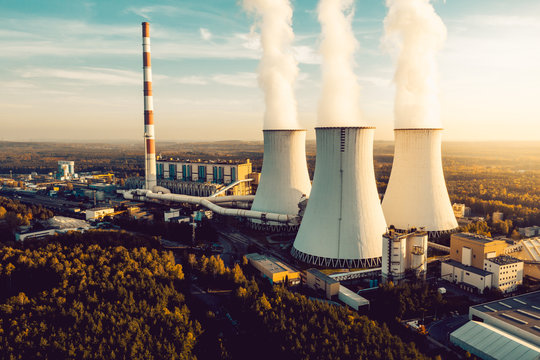
Power Generation
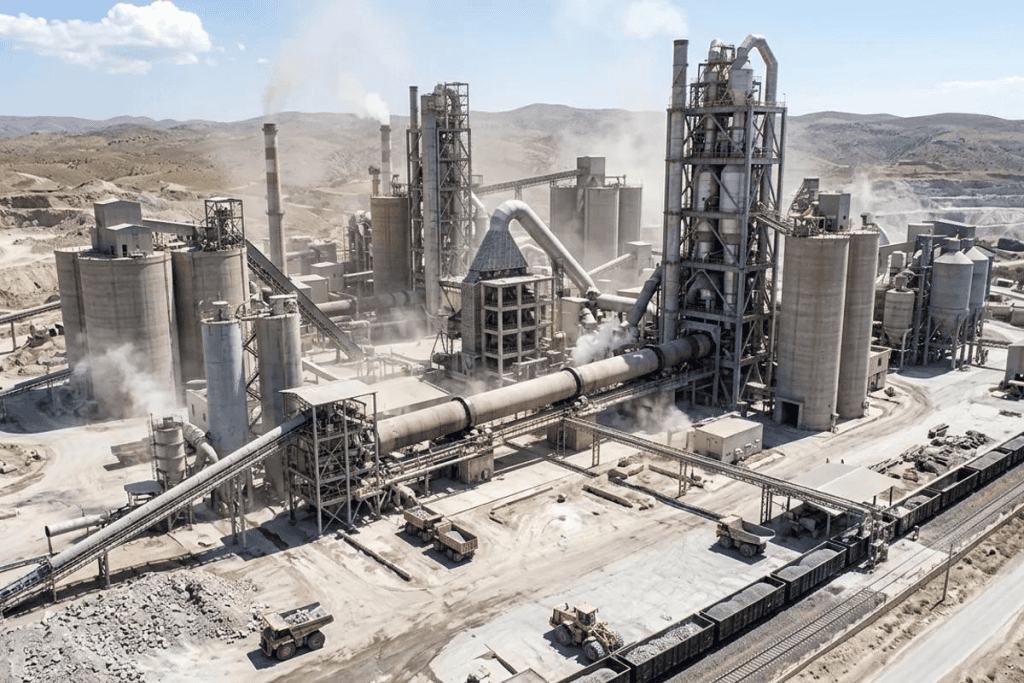
Cement
Explosion Protection in Industrial Applications
Industrial facilities may contain hazardous areas where flammable gases, vapours or combustible dust can create a risk of fire and explosion. In these environments, conventional electrical equipment may introduce potential ignition sources through electrical arcs, sparks or hot surfaces.
Explosion-proof and hazardous-area certified equipment is designed to reduce the risk of ignition when installed and used in accordance with its certification and the applicable requirements.
Where Is Explosion-Proof Equipment Required?
Depending on the process and hazardous area classification, explosion-protected equipment may be required in applications such as:
Oil & Gas: Gas processing, fuel handling, tank farms, refineries and loading areas where flammable gases or vapours may be present.
Drilling & Mining: Selected drilling and underground mining areas where flammable gases or combustible dust may occur.
Petrochemical & Chemical: Solvent handling, chemical storage, mixing and processing areas.
Paints & Coatings: Paint mixing, solvent storage, spray booths and coating operations involving flammable vapours.
Food & Beverage: Flour milling, grain handling, sugar processing and powder handling areas where combustible dust may be generated.
Iron & Steel: Selected coal, coke and combustible dust handling areas, as well as other classified process locations.
Power Generation: Fuel handling, gas systems and selected dust-generating operations.
Water & Wastewater: Selected areas where flammable gases, such as methane, may accumulate, including certain biogas and wastewater treatment installations.
Key Technical Considerations
The selection of explosion-protected equipment must be based on the hazardous area classification and the actual operating conditions.
Important technical parameters include:
Hazardous Area Zone: Gas Zones 0, 1 and 2; Dust Zones 20, 21 and 22.
Equipment Protection Level (EPL): Ga, Gb, Gc for gas and Da, Db, Dc for dust.
Gas or Dust Group: Such as IIA, IIB, IIC for gases and IIIA, IIIB, IIIC for dusts.
Temperature Class: T1 to T6 for gas applications, or the specified maximum surface temperature for dust applications.
Protection Concept: Such as Ex db, Ex eb, Ex ia and other certified protection methods.
Ingress Protection (IP): Selected according to dust, water and environmental exposure.
Ambient Conditions: Operating temperature, humidity, corrosion, vibration and installation requirements.
How Should the Correct Equipment Be Selected?
Before specifying or purchasing explosion-protected equipment, the following information should be reviewed:
Hazardous area classification drawings and applicable zone.
Type of hazardous substance: gas, vapour or combustible dust.
Gas or dust group and ignition characteristics.
Required temperature class or maximum permissible surface temperature.
Required ATEX or IECEx certification and equipment protection level.
Electrical ratings, installation method and environmental conditions.
Important: Not every area within an industrial facility requires explosion-proof equipment. The need for Ex protection must be established through a proper hazardous area classification and risk assessment.
WIACS – Explosion-Proof & Industrial Automation Solutions
WIACS supplies explosion-proof electrical equipment and industrial automation solutions for industrial applications. We support customers in identifying suitable product categories and reviewing technical requirements in coordination with manufacturers, based on project specifications and hazardous area classification.
Contact WIACS for technical assistance and product selection for your project.